Hi everyone,
Worldwide Studios is on a mission to help anyone learn how to build anything. We are beginning our build-in-public journey by sharing our annual goals.
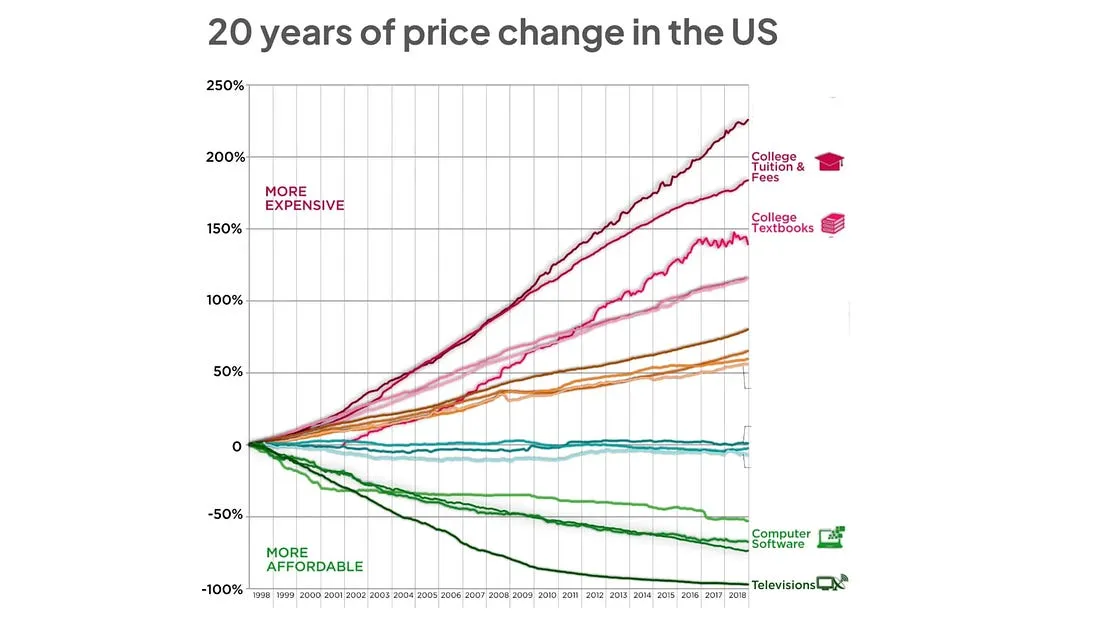
One thing many people agree on is that our current education system is broken. Higher education can become a $100,000-plus forcing function toward lifelong debt. It is limited by location, elite access, and age, and much of it is out of date. The most useful knowledge, skills, mindsets, and networks are increasingly found in industry labs, Discord servers, and startups.
We are building an alternative path where the first step is making something interesting. It should be as accessible as a virtual workout, support continual learning at every age, and remain fresh by focusing on projects made with current technologies.
Education should help people find a personal mission and master new skills to enjoy life - not be defined by 48-month majors and rote memorization.
The values behind the work
- Athletic. Mindset meets action. Failure is an invitation to try again. Learning is continuous and experiential. We think of Worldwide as a dojo for builders: there are coaches, but experience is the best teacher.
- Collective. The people with the most current experience are usually busy building. We are creating a fractional collective that can share that knowledge when it matters, inspired by the way guilds used to operate.
- AI-native. We explore the newest tools within our own team and alongside the builders we support. Last year’s bets were experiments, and we will keep experimenting until we understand what works.
Last year, Worldwide supported more than 1,000 builders through:
- Product experiments such as Skilltrees and Am I A Fit, exploring how language models can empower human agency and skill development.
- Weekly builds, including a spring session for doctors around the world learning Cursor.
- Seasonal hacks, including an AI-for-science event where teams ran real robotic experiments and a Lindy 3.0 launch where more than 200 people built their first agent.
This year we are sharing our goals in public and making bigger bets across products, build sessions, and community:
- Release 12 new product experiments.
- Host more two-hour build sessions.
- Convene an AI for Science Summit in San Francisco.
1. Ship 12 product releases
Language models are the biggest shift in creating and sharing knowledge since the internet. We want to design experiences that increase access and agency for individual builders.
Education is not one-size-fits-all. The best learning experiences meet people where they are and help them level up. Learning through building also needs to be continuous, and products can make it much easier to stay current as new agentic tools arrive.
We will release one AI-first product experiment each month to help people figure out how to build anything, from anywhere.
What we are being intentional about
- Ability over age. We are testing the range of this idea, from middle-school builders in Singapore to senior lab-automation engineers in San Francisco.
- Existing interfaces. Rather than starting with another abstract interface, we are exploring an email-and-command-line tutor. Email supports natural conversation, questions, and guidance; the command line is a practical place to begin writing better software and learning fundamentals. We are also testing current agent frameworks and SDKs, including Claude Agent SDK.
- Open education infrastructure. We will open-source product launches so fellows and contributors can help, fork the core ideas, and adapt them to their own applications. If there is no VS Code for learning, we want to explore what the Cursor for learning could be.
The first experiment is an open-source software-engineering tutor that works through the command line and email.
We are also recruiting builders, hustlers, and storytellers who want to help build the future of education through our venture fellowship.
2. Host more community-driven build sessions
Last year we hosted community workshops and hardware hacks, from free build sessions creating science-fiction shorts with Veo 3.1 and Sora 2 to a custom collaboration on OSINT agents for the Silicon Valley Cyber Security Group.
We found there was no Barry’s for builders: a place with support for different knowledge-and-skills workouts. Short, role-specific sessions are one of the best ways we have found to help people keep up with what is possible.
What we learned
- Role-specific workshops outperform general tool introductions. RevOps enablement or no-code OSINT agents for security teams created more useful starting points than another broad introduction to an editor.
- Online community depends on steady content. The core of a useful online community is consistent weekly material and opportunities to build, not a follower-driven feed.
- The format should match the time horizon. Professionals tend to prefer step-by-step build-alongs in short sessions. Open hacks become more useful over eight to 24 hours or through week-to-week programs, where people have room to experiment.
Three areas of focus
- Upskilling professionals. This ranges from a two-hour Claude Code workshop for growth engineers to a 24-hour AI-for-science hack exploring lab automation and high-throughput experiments.
- AI for science. Last year’s Physical MCP Hack and Cell Culture Hardware Hack both worked well, and we are going deeper in this area.
- K-12 students becoming builders. An early partnership with a Singapore community of middle-school builders worked well. We are exploring what programs built around three-session sequences could look like for young builders.
3. Host an AI for Science Summit
Some of the most practical AI-engineering knowledge now comes from in-person summits where the people releasing new capabilities explain how they work. The challenge is that the experience and knowledge often remain locked inside the room.
We have seen how much people benefit from weekend AI-for-science hacks, so in June we plan to bring more than 125 founders, scientists, engineers, and researchers together in San Francisco. The summit will share practical knowledge, offer hands-on experiences with current tools, and keep the focus on the builder experience and real-world problems.
One year at a time
We wanted to write a 10-year plan, but things are moving so quickly that we will start with one year at a time.
We are still in startup mode. We will take the week-by-week lessons, adapt as needed, and keep working toward the world’s best education collective.
Keep building,
Michael + Dylan Co-founders, Worldwide Studios
If you would like to volunteer on workshops, make build guides, or help in another way, we would love to hear from you.